24/03/2026
How to Choose Glasses With REAL UV and Blue Light Protection (Without Falling for Marketing Tricks)
Today, it’s easy to find glasses claiming to protect against UV radiation and blue light. The problem is that not all of them provide real protection — and some may even increase risk by creating a false sense of safety.
• How to know if glasses truly protect your eyes
• How to spot misleading marketing claims
• When blue light filtering may make sense
• When ready-made glasses may not be enough
• How to make a safe decision in seconds
📌 Key Takeaways
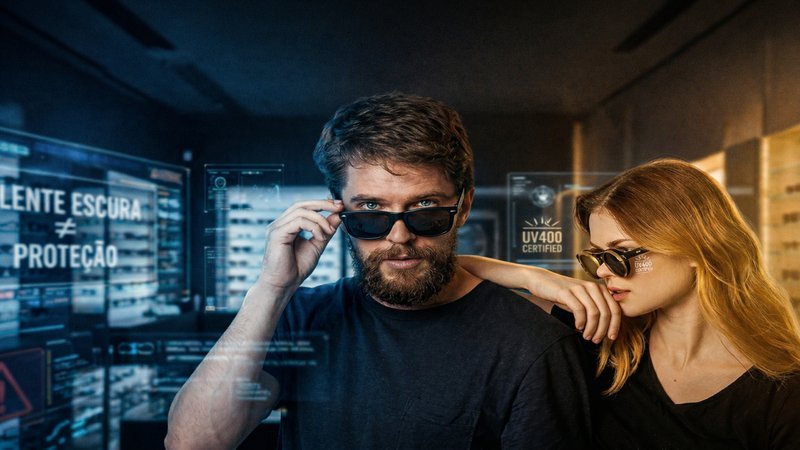
✔ Dark lenses do NOT automatically mean UV protection
✔ UV400 is the minimum safe standard for sun protection
✔ Blue light filters may help heavy digital users
✔ Optical lens quality matters as much as protection coating
☀️ Why UV Protection Is the Top Priority 
Ultraviolet radiation is scientifically linked to:
• Earlier cataract development
• Increased macular degeneration risk
• Corneal surface damage
• Accelerated eye aging
👉 Unlike blue light concerns, UV eye damage is strongly supported by scientific evidence.
🚨 How to Tell If You’re Being Misled When Buying Glasses
Red flags include:
⚠ Only mentions “dark lenses”
⚠ No UV400 or UV certification mentioned
⚠ No manufacturer or technical information
⚠ Extremely cheap “fashion sunglasses” with no specs
💰 Mistakes That Make People Waste Money on Glasses
❌ Buying based only on style
❌ Assuming expensive means better protection
❌ Buying from unreliable sellers
❌ Thinking blue light filter replaces UV protection
⚡ How to Choose the Right Glasses in 30 Seconds 
For sun protection:
👉 Do you have frequent eye strain symptoms?
👉 Do you use screens for many hours daily?
👉 Heavy daily screen use
👉 Frequent nighttime screen exposure
👉 Persistent digital eye strain symptoms
Dark lenses without UV protection may:
👉 Dilate your pupils
👉 Allow more UV radiation into the eye
👉 Increase long-term eye risk
📊 UV Protection vs Blue Light Filter — Different Purposes

🧭 Simple Decision Flow
☀ High sun exposure → UV protection is essential
💻 Heavy screen use → Consider blue light filtering
👁 Eye symptoms → Consider professional eye evaluation
👁️ Who Should Prioritize UV Protection Most 
👉 Outdoor workers
👉 Children and teenagers
👉 Adults over 40
👉 Outdoor athletes
💻 Who May Benefit From Blue Light Filtering
👉 Digital professionals
👉 Gamers
👉 Students with heavy screen load
🧬 When Ready-Made Glasses May Not Be Enough
If you have:
✔ Vision prescription needs
✔ Persistent eye symptoms
✔ Frequent visual fatigue
⚠ Frequent blurred vision
⚠ Eye pain
⚠ Light sensitivity
⚠ Constant digital eye strain
❓ Frequently Asked Questions
Can cheap glasses still have UV protection?

Choosing glasses with real protection is one of the simplest ways to protect long-term vision health. The most important factors are verified UV protection, optical quality, and reliable sourcing — not just appearance or price.
📚 Scientific References:
Choosing glasses with real protection is not just about comfort or style. It’s a long-term eye health decision.
In this complete guide, you’ll learn:
• How to know if glasses truly protect your eyes
• How to spot misleading marketing claims
• When blue light filtering may make sense
• When ready-made glasses may not be enough
• How to make a safe decision in seconds
📌 Key Takeaways
✔ Dark lenses do NOT automatically mean UV protection
✔ UV400 is the minimum safe standard for sun protection
✔ Blue light filters may help heavy digital users
✔ Optical lens quality matters as much as protection coating
☀️ Why UV Protection Is the Top Priority
• Earlier cataract development
• Increased macular degeneration risk
• Corneal surface damage
• Accelerated eye aging
👉 Unlike blue light concerns, UV eye damage is strongly supported by scientific evidence.
🚨 How to Tell If You’re Being Misled When Buying Glasses
Red flags include:
⚠ Only mentions “dark lenses”
⚠ No UV400 or UV certification mentioned
⚠ No manufacturer or technical information
⚠ Extremely cheap “fashion sunglasses” with no specs
💰 Mistakes That Make People Waste Money on Glasses
❌ Buying based only on style
❌ Assuming expensive means better protection
❌ Buying from unreliable sellers
❌ Thinking blue light filter replaces UV protection
⚡ How to Choose the Right Glasses in 30 Seconds
👉 Does it say UV400 or 100% UV protection?
👉 Is it from a reliable optical source?
👉 Is it from a reliable optical source?
For digital use:
👉 Do you have frequent eye strain symptoms?
👉 Do you use screens for many hours daily?
If YES → Blue light filtering may be worth considering.
🔵 When Blue Light Filtering May Make Sense
🔵 When Blue Light Filtering May Make Sense
👉 Heavy daily screen use
👉 Frequent nighttime screen exposure
👉 Persistent digital eye strain symptoms
But it is not required for everyone.
⚠️ The Real Danger of Fake or Non-UV Protected Sunglasses
⚠️ The Real Danger of Fake or Non-UV Protected Sunglasses
Dark lenses without UV protection may:
👉 Dilate your pupils
👉 Allow more UV radiation into the eye
👉 Increase long-term eye risk
📊 UV Protection vs Blue Light Filter — Different Purposes
| Protection Type | Main Function |
| UV400 | Blocks harmful solar UV radiation |
| Blue light filter | Reduces part of artificial blue light exposure |
🧭 Simple Decision Flow
☀ High sun exposure → UV protection is essential
💻 Heavy screen use → Consider blue light filtering
👁 Eye symptoms → Consider professional eye evaluation
👁️ Who Should Prioritize UV Protection Most
👉 Children and teenagers
👉 Adults over 40
👉 Outdoor athletes
💻 Who May Benefit From Blue Light Filtering
👉 Digital professionals
👉 Gamers
👉 Students with heavy screen load
🧬 When Ready-Made Glasses May Not Be Enough
If you have:
✔ Vision prescription needs
✔ Persistent eye symptoms
✔ Frequent visual fatigue
You may need personalized lenses.
🚨 Signs You Should Consider an Eye Exam
🚨 Signs You Should Consider an Eye Exam
⚠ Frequent blurred vision
⚠ Eye pain
⚠ Light sensitivity
⚠ Constant digital eye strain
❓ Frequently Asked Questions
Can cheap glasses still have UV protection?
Yes — if they are properly certified.
Can blue light filters replace UV protection?
Can blue light filters replace UV protection?
No. They serve different functions.
Do children need UV protection?
Do children need UV protection?
Yes — children’s eyes are more sensitive to UV radiation.
✅ Conclusion
✅ Conclusion
📚 Scientific References: