01/04/2026
Gritty Sensation in the Eyes: What It Could Be, When to Worry, and How to Treat It
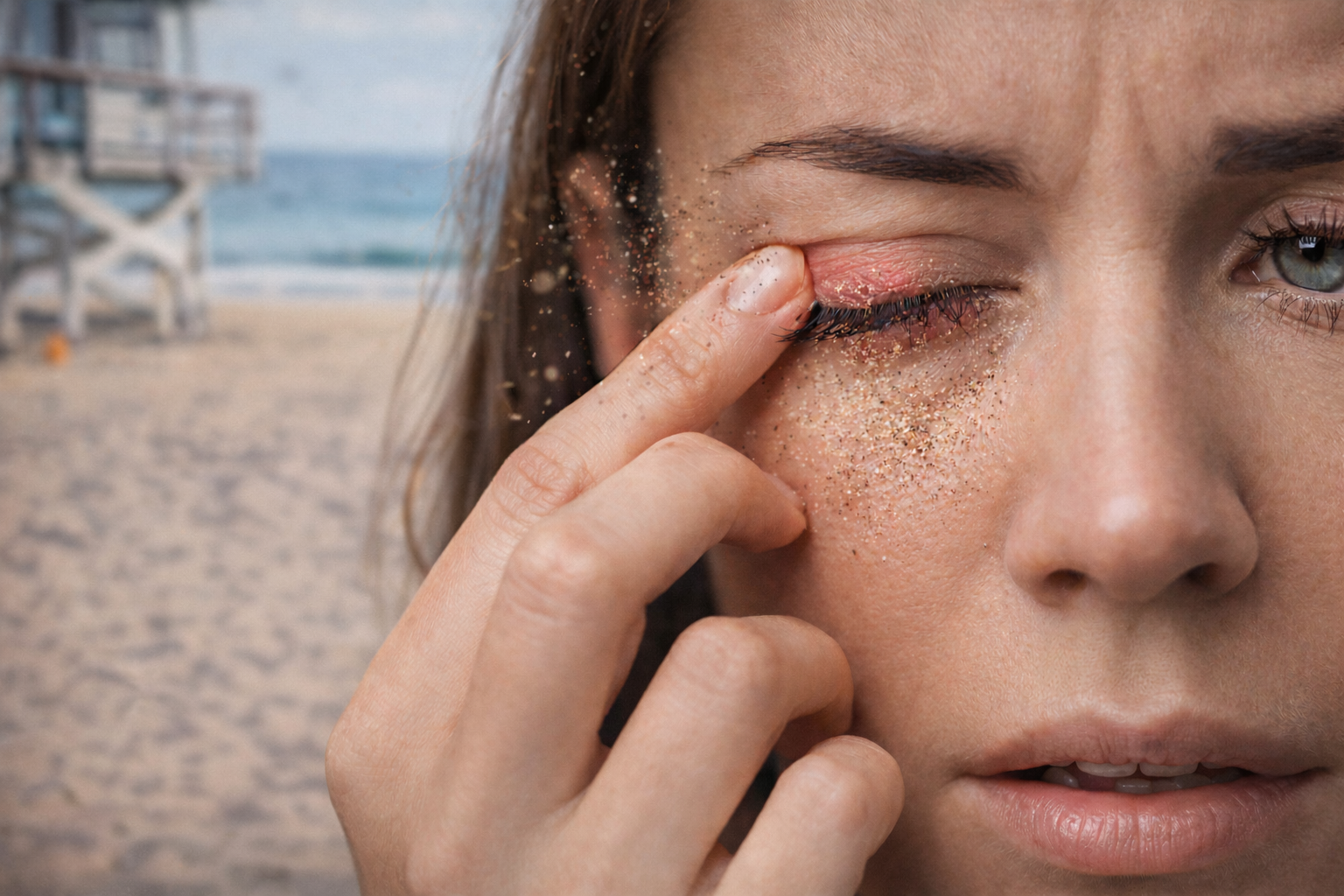
Feeling like there is sand, dust, or something scratching your eyes is one of the most common eye complaints — and also one of the most uncomfortable. Many people try blinking more, rinsing their eyes, or using random eye drops, but the discomfort often doesn’t go away.
• what can cause a gritty or sandy eye sensation
• when it’s usually harmless and when it’s a warning sign
• why blinking or rinsing often doesn’t solve the problem
• what actually helps relieve symptoms
• when to see an eye doctor
📌 Key Takeaways (Quick Summary) 
✔ A gritty sensation is a symptom, not a disease
✔ Dry eye is the most common cause
✔ Not every eye drop works
✔ Persistent symptoms are a warning sign
✔ Medical evaluation prevents complications
👁️ What Is a Gritty Sensation in the Eyes?
A gritty sensation occurs when the natural protective surface of the eye is compromised, causing blinking to create friction instead of smooth movement.
• burning
• roughness
• scratching
• constant discomfort
• feeling like something is in the eye

This is a very common concern.
🟢 It’s usually just a sensation when:
✔ discomfort comes and goes
✔ it worsens toward the end of the day
✔ it improves temporarily with lubricating drops
✔ there is no sharp or intense pain
🔴 It may be a real foreign body when:
⚠ pain starts suddenly
⚠ discomfort is very localized
⚠ blinking does not relieve it
⚠ tearing is intense
💧 Dry Eye (Most Common Cause)
When tears are insufficient or evaporate too quickly, the eye surface loses protection.
Associated signs:
• symptoms worsen throughout the day
• temporary relief with eye drops
• discomfort in dry environments
Dry air accelerates tear evaporation.
• air-conditioned offices
• airplane cabins
• wind exposure
• dry climates
💻 Prolonged Digital Screen Use
When using screens:
• blinking frequency decreases
• tears evaporate faster
• the eye surface dries out
Result: gritty sensation and eye fatigue.
👁️ Eye Allergies
Allergies often cause:
• itching
• redness
• gritty sensation
👉 Intense itching is a key differentiator.
👓 Contact Lens Use
Contact lenses can:
• increase surface friction
• reduce lubrication
• worsen dry eye symptoms
Especially with long wearing times.
🔥 Inflammation of the Ocular Surface
When inflammation is present:
• standard eye drops provide little relief
• discomfort is persistent
• gritty sensation is constant
👉 This typically requires medical evaluation.
🤔 Why Blinking or Rinsing Often Doesn’t Help
Because the issue isn’t just “lack of moisture.”
• the tear film is unstable
• tears evaporate too quickly
• blinking doesn’t restore protection
• rinsing can remove remaining tears

✔ Proper Lubricating Eye Drops
👉 Prefer preservative-free drops for frequent use.
✔ Regular Visual Breaks
• breaks every 20 minutes
• conscious blinking
✔ Environmental Adjustments
• avoid direct airflow to the face
• use a humidifier
• reduce wind exposure
✔ Good Eye Hygiene
• avoid rubbing your eyes
• wash hands before touching your face
🚫 What NOT to Do
❌ Do not use “redness-relief” eye drops
❌ Do not rub your eyes
❌ Do not keep switching drops without improvement
❌ Do not ignore persistent symptoms
👓 Contact Lens Users: Pause or Continue?
If you wear contact lenses and experience a gritty sensation:
✔ reduce wearing time
✔ alternate with glasses
✔ stop lens use if symptoms worsen
👉 Persistent discomfort with lenses is a sign that something needs to be reassessed.
🧠 Why the Gritty Sensation Often Gets Worse at Night
Throughout the day:
• blinking decreases
• tear evaporation increases
• surface inflammation builds up
• discomfort accumulates
That’s why symptoms are often worse in the evening.
🚨 When to See an Eye Doctor 
Seek medical care if you experience:
⚠ eye pain
⚠ intense redness
⚠ discharge
⚠ constant blurred vision
⚠ light sensitivity
⚠ progressive worsening
These signs suggest more than simple dryness.
📝 Quick Self-Assessment Checklist
Check what you experience frequently:
☐ gritty sensation
☐ burning
☐ tired eyes
☐ worsening throughout the day
☐ only temporary relief from drops
👉 2–3 signs: pay attention
👉 4 or more / persistent: evaluation recommended
✅ Conclusion 
A gritty sensation in the eyes is common — but should not be ignored when it becomes frequent or persistent.
That’s because a gritty sensation in the eyes is a symptom, not a diagnosis.
In some cases, it’s mild and temporary. In others, it can signal an eye condition that needs proper attention.
In some cases, it’s mild and temporary. In others, it can signal an eye condition that needs proper attention.
In this complete guide, you’ll learn:
• what can cause a gritty or sandy eye sensation
• when it’s usually harmless and when it’s a warning sign
• why blinking or rinsing often doesn’t solve the problem
• what actually helps relieve symptoms
• when to see an eye doctor
📌 Key Takeaways (Quick Summary)
✔ Dry eye is the most common cause
✔ Not every eye drop works
✔ Persistent symptoms are a warning sign
✔ Medical evaluation prevents complications
👁️ What Is a Gritty Sensation in the Eyes?
A gritty sensation occurs when the natural protective surface of the eye is compromised, causing blinking to create friction instead of smooth movement.
People often describe it as:
• burning
• roughness
• scratching
• constant discomfort
• feeling like something is in the eye
Even when there’s no actual debris, the sensation is real and persistent.
⚠️ Gritty Sensation vs. a Real Foreign Body: What’s the Difference?
⚠️ Gritty Sensation vs. a Real Foreign Body: What’s the Difference?
🟢 It’s usually just a sensation when:
✔ discomfort comes and goes
✔ it worsens toward the end of the day
✔ it improves temporarily with lubricating drops
✔ there is no sharp or intense pain
🔴 It may be a real foreign body when:
⚠ pain starts suddenly
⚠ discomfort is very localized
⚠ blinking does not relieve it
⚠ tearing is intense
👉 In these cases, do not rub your eyes and seek medical care.
🧬 Common Causes of a Gritty Sensation in the Eyes
🧬 Common Causes of a Gritty Sensation in the Eyes
💧 Dry Eye (Most Common Cause)
When tears are insufficient or evaporate too quickly, the eye surface loses protection.
Associated signs:
• symptoms worsen throughout the day
• temporary relief with eye drops
• discomfort in dry environments
👉 Very common in people with heavy screen use.
🌬️ Dry Environments and Air Conditioning
🌬️ Dry Environments and Air Conditioning
Dry air accelerates tear evaporation.
Common situations:
• air-conditioned offices
• airplane cabins
• wind exposure
• dry climates
💻 Prolonged Digital Screen Use
When using screens:
• blinking frequency decreases
• tears evaporate faster
• the eye surface dries out
Result: gritty sensation and eye fatigue.
👁️ Eye Allergies
Allergies often cause:
• itching
• redness
• gritty sensation
👉 Intense itching is a key differentiator.
👓 Contact Lens Use
Contact lenses can:
• increase surface friction
• reduce lubrication
• worsen dry eye symptoms
Especially with long wearing times.
🔥 Inflammation of the Ocular Surface
When inflammation is present:
• standard eye drops provide little relief
• discomfort is persistent
• gritty sensation is constant
👉 This typically requires medical evaluation.
🤔 Why Blinking or Rinsing Often Doesn’t Help
Because the issue isn’t just “lack of moisture.”
In many cases:
• the tear film is unstable
• tears evaporate too quickly
• blinking doesn’t restore protection
• rinsing can remove remaining tears
👉 Relief is usually short-lived.
📊 Likely Cause × What Usually Helps
📊 Likely Cause × What Usually Helps
| Likely cause | What usually helps |
| Mild dry eye | Lubricating eye drops |
| Excessive screen use | Visual breaks + drops |
| Dry environment | Environmental adjustments |
| Eye allergy | Evaluation + targeted drops |
| Inflammation | Medical treatment |
Often the first line of relief.
👉 Prefer preservative-free drops for frequent use.
✔ Regular Visual Breaks
Especially with screen use:
• breaks every 20 minutes
• conscious blinking
✔ Environmental Adjustments
• avoid direct airflow to the face
• use a humidifier
• reduce wind exposure
✔ Good Eye Hygiene
• avoid rubbing your eyes
• wash hands before touching your face
🚫 What NOT to Do
❌ Do not use “redness-relief” eye drops
❌ Do not rub your eyes
❌ Do not keep switching drops without improvement
❌ Do not ignore persistent symptoms
👓 Contact Lens Users: Pause or Continue?
If you wear contact lenses and experience a gritty sensation:
✔ reduce wearing time
✔ alternate with glasses
✔ stop lens use if symptoms worsen
👉 Persistent discomfort with lenses is a sign that something needs to be reassessed.
🧠 Why the Gritty Sensation Often Gets Worse at Night
Throughout the day:
• blinking decreases
• tear evaporation increases
• surface inflammation builds up
• discomfort accumulates
That’s why symptoms are often worse in the evening.
🚨 When to See an Eye Doctor
⚠ eye pain
⚠ intense redness
⚠ discharge
⚠ constant blurred vision
⚠ light sensitivity
⚠ progressive worsening
These signs suggest more than simple dryness.
📝 Quick Self-Assessment Checklist
Check what you experience frequently:
☐ gritty sensation
☐ burning
☐ tired eyes
☐ worsening throughout the day
☐ only temporary relief from drops
👉 2–3 signs: pay attention
👉 4 or more / persistent: evaluation recommended
✅ Conclusion
In most cases, it’s related to dry eye, excessive screen use, or dry environments and improves with simple measures. In other cases, it may indicate inflammation or another eye condition that requires targeted treatment.
Listening to your eyes’ signals and seeking guidance at the right time is the best way to protect long-term eye health.
📚 Scientific References
📚 Scientific References